When it comes to Bitcoin self-custody, adding layers of security isn’t just good practice—it’s essential, as that stack soars in relative purchasing power, so does the incentive to compromise and take your signing device.
While complexity can sometimes feel like an administrative burden, the pain of losing your bitcoin far outweighs any temporary inconvenience of setting up proper security measures.
So choose your pain path: a possible bonk on the head, stealing of your signing device or private key, or a grinding of teeth, adding a few steps to your Bitcoin wallet recovery process.
What is a Blockstream Blind Oracle?
A Blockstream Blind Oracle is a cryptographic protocol that serves as a virtual secure element for your Blockstream Jade hardware wallet. Think of it as an off-device security guardian that protects your wallet’s encryption keys without ever knowing what those keys actually are.
The oracle processes the message through operations like signing or encryption without gaining knowledge of the message’s contents, making it truly “blind” to your sensitive information. This approach addresses a critical issue in hardware wallet design: protecting against physical attacks without relying on expensive, proprietary secure elements.
How Does It Work?
The blind oracle security model operates on three essential components:
- Your PIN: A unique code you create during Jade initialisation
- Your Recovery Phrase: Stored encrypted on your Jade device
- The Blind Oracle: Holds the decryption key needed to unlock your device
This PIN is used in combination with a blind oracle managed by Blockstream to encrypt Jade’s key material – at which point there becomes three secrets needed to decrypt your recovery phrase and spend funds. Without all three components working together, an attacker cannot access your Bitcoin, even with physical possession of your Jade device.
Why Use a Blind Oracle?
Becoming a self-custody Bitcoiner means you thrive on distrust of any single system, and you want to have a failsafe measure against any measure of attack or single point of failure.
When running a Blind Oracle, you’re essentially stating that the device I don’t fully trust is the device that generates and holds my keys. You’re taking out insurance that you cannot protect your device from an in-person attack, or that the secure element may have a flaw that allows a user other than you access to your keys and, therefore, your funds.
Why Use a Personal Blind Oracle?
While Blockstream provides a default blind oracle service, running your own offers several compelling advantages:
Enhanced Privacy and Control
By running your own oracle, you eliminate dependence on Blockstream’s infrastructure. By default, Jade will communicate with Blockstream’s blind oracle; however, users also have the choice to run their own. This gives you complete control over a critical component of your security architecture.
Protection Against Physical Attacks
A blind oracle functions as a virtual secure element, and instead holds the decryption mechanism to your wallet off-device, which makes Jade alone invulnerable to physical key extraction. Even if someone steals your Jade device, they cannot extract your private keys without access to your personal blind oracle.
True Decentralisation
Running your own oracle aligns with Bitcoin’s ethos of decentralisation and self-sovereignty. You’re not relying on any third party for a critical security function.
Privacy Protection
Blind oracles do not know your bitcoin addresses, private keys, and they do not even know your actual PIN. Your oracle works completely blind to your actual financial information.
The Security Benefits: Why Complexity Pays Off
Adding a personal blind oracle to your self-custody setup introduces additional complexity, but this complexity serves a crucial purpose. In Bitcoin, the cost of a security failure is potentially catastrophic—complete loss of your funds with no recourse.
Multi-Layer Defense
Your security becomes multi-dimensional:
- Physical Layer: Your Jade device
- Knowledge Layer: Your PIN
- Network Layer: Your personal blind oracle
- Cryptographic Layer: Advanced encryption protecting all components
Resistance to Advanced Attacks
Traditional hardware wallets with secure elements store all necessary components on the device itself. This is unlike typical secure element devices, which hold everything needed to extract your keys on the actual hardware device itself. The blind oracle model distributes this risk across multiple components.
Setting Up Your Personal Blind Oracle
You can run a personal server on a Mac, but running your own blind oracle on Umbrel is surprisingly straightforward.
Here’s how to get started:
Prerequisites
- An Umbrel node (running umbrelOS)
- A Blockstream Jade hardware wallet
- Basic familiarity with your Umbrel dashboard
Step-by-Step Installation
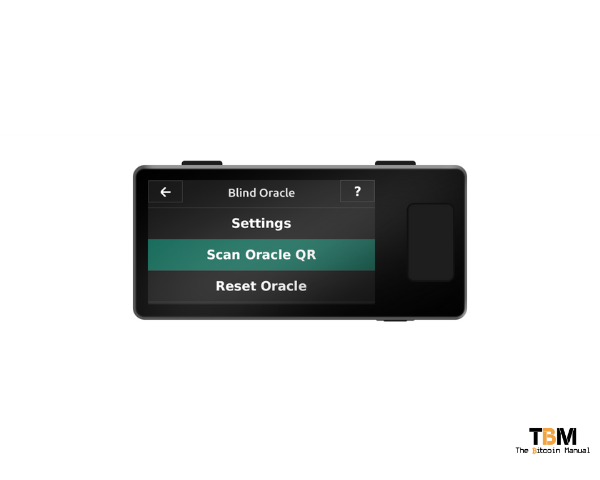
- 1. Install the Blind Oracle App: Navigate to the Umbrel App Store and install the Blockstream Blind Oracle app. The app is available directly from the official Umbrel App Store and installs with just a few clicks.
- 2. Configure Your Oracle: Open the Blind Oracle app to view your Oracle details. The app will generate the necessary configuration details and provide you with a unique URL for your Oracle.
- 3. Connect Your Jade: Configure your Blockstream Jade to use your personal oracle instead of Blockstream’s default service. This involves updating the Oracle URL in your Jade settings to point to your Umbrel-hosted instance.
4. Test the Connection
Perform a test unlock of your Jade device to ensure everything is working correctly. This allows your Jade to remain protected from physical key extraction while also enforcing a maximum of 3 PIN attempts.
Technical Considerations
Network Access
Your blind oracle needs to be accessible to your Jade device. Consider:
- Local Network: Works when both devices are on the same network
- Remote Access: Use Tor or VPN for access when traveling
- Redundancy: Consider running multiple oracles for backup
Security Hardening
While your oracle is “blind” to sensitive data, proper security practices still apply:
- Keep your Umbrel node updated
- Use strong passwords for your Umbrel dashboard
- Monitor access logs for unusual activity
- Ensure your home network is secure
Maintaining Your Self-Custody Security Stack
Running your own blind oracle is just one piece of a comprehensive self-custody strategy. Here are additional considerations:
Regular Testing
Periodically test your setup to ensure everything works as expected. This includes:
- Verifying oracle connectivity
- Testing PIN entry and unlock procedures
- Confirming backup oracle functionality (if configured)
Documentation
Since you may not use your wallet frequently, months or even years can pass, and you may become rusty or forget how you initially set things up.
Instead of signing yourself up to a future wild goose chase, keep secure records of:
- Your oracle URLs and configuration
- Recovery procedures
- Emergency access plans
If you’re running an Umbrel, you can use secure notes to document your process and use that as the starting point for recovery, or rather, your fallback should you become forgetful as you age.
We Bitcoiners won’t be spring chickens forever; eventually, we will become the old guard, so prepare for it and act accordingly.
Backup Strategies
While the blind oracle model provides an extra layer of security, always maintain proper backup procedures:
- Multiple copies of your recovery phrase (stored separately from devices)
- Documentation of your oracle setup
- Alternative access methods in case of primary oracle failure
The Philosophy of Self-Custody Complexity
Every additional security layer you implement increases the complexity of your setup, but this complexity serves a vital purpose. In traditional finance, you can call a bank if something goes wrong. In Bitcoin self-custody, you are your own bank, and with that power comes responsibility.
The administrative burden of managing multiple security components—your hardware wallet, PIN, recovery phrases, and now your personal blind oracle—might seem daunting.
However, consider the alternative: losing access to your Bitcoin permanently due to inadequate security measures.
Embracing the Learning Process
Setting up and maintaining your own blind oracle keeps you actively engaged with your security infrastructure.
This engagement is valuable because:
- You understand exactly how your security works
- You can troubleshoot issues independently
- You’re not dependent on third-party services
- You develop expertise that serves you long-term
Advanced Configurations and Future Considerations
As you become more comfortable with running your own blind oracle, consider these advanced topics:
Multiple Oracle Setup
Running multiple oracles can provide redundancy and eliminate single points of failure.
You might run:
- Primary oracle on your home Umbrel node
- Backup Oracle on a VPS or cloud service by Blockstream
- Emergency oracle on a separate device
Not ideal for your first attempt at self-custody
If you’re new to the process of self-custody, I recommend sticking to KISS – Keep It Simple Satoshi.
- Get used to the process of setting up your seed first
- Creating a pin
- Recovering a wallet
- Having a hard-to-destroy copy of your seed phrase
- Finding a safe place to store your signing device and seed phrase copies.
Once you’ve done that, you’re already protected from the majority of attack vectors. As you become comfortable with the process, you can start to look at adding additional layers, such as a Blind Oracle.
That’s if you own a Blockstream Jade or Jade Plus, as these are the only supported devices at the moment.
Taking Control of Your Bitcoin Security
The Blockstream Blind Oracle adds another option for hardware wallet security, especially those that are running a single-sig setup, offering protection against physical attacks while maintaining the open-source principles that make Bitcoin special.
- Yes, the setup requires some technical knowledge and ongoing maintenance.
- Yes, it adds complexity to your self-custody routine.
However, in a world where Bitcoin is valued at $2 trillion and growing, and where transactions are irreversible and recovery is impossible, this complexity is your friend.
The pain of learning new security tools and managing additional infrastructure pales in comparison to the devastating pain of losing your bitcoin forever. Every hour you invest in properly securing your self-custody setup is time that could save you years of regret.
Your Bitcoin deserves the best security you can provide, so take the time to implement proper security measures.
Future you will thank you for the effort.